- Tesla CEO Elon Musk and President Donald Trump do not share similar views of the future, particularly on energy policy.
- However, both have become masters of using Twitter to exploit a basic mass psychology phenomenon that experts call tribalism.
- The internet and social media are leading psychologists into unresearched areas where basic research findings about human behavior may be reinforced and intensified.
Musk, the Tesla CEO and co-founder, represents dreamy ambitions for a better world centered on renewable energy. Trump appeals to a more conservative America, with hopes of making the country "great again" by reviving 20th-century manufacturing and energy industries, including steel and coal, and reversing decades of environmental legislation.
But however idealistically different, the two billionaires share a mastery of one thing: A mass psychology effect that has been studied for decades by researchers and is now being retested through the online laboratory of Twitter. It's called tribalism.
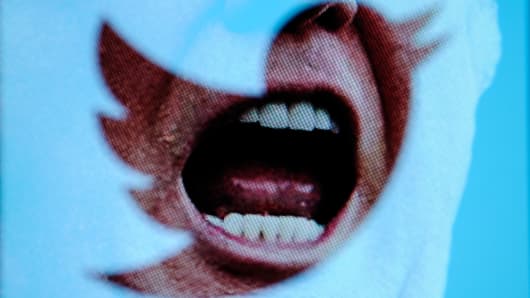 While some would argue that the billionaires' eruptions on Twitter are counterproductive — limiting their reach rather than finding the largest possible audience — psychology experts suggest the strategy works exactly as it should, and Twitter is merely the latest and largest study group for a phenomenon that has long been known to scientists.
Experts who study the psychological dynamics of "tribes" — groups that hold a family-like, emotional connection and ideology — say Musk and Trump have used similarly strong and extreme online rhetoric to galvanize massive and unwavering fleets of supporters.
"It goes all the way back to pretty basic studies of group behavior, where people would join together with a mob of people and do things they wouldn't normally do, that weren't right, that were too extreme," said social and personality psychologist Don Forsyth of the University of Richmond's Jepson School of Leadership Studies. "Now that same process, that kind of mob behavior, is playing out on the internet."
Studies have shown that human beings have an evolutionary drive to form distinct social groups as part of self-identification. Individuals discern themselves as members of many groups or tribes: their families, race, religion, political parties, gender, social organizations and residence. Not surprisingly, evidence also shows that individuals respond more positively to group members versus out-group members in order to strengthen their sense of belonging.
fullstory
----
President Trump accused Twitter of 'shadow banning' Republicans from CNBC.

